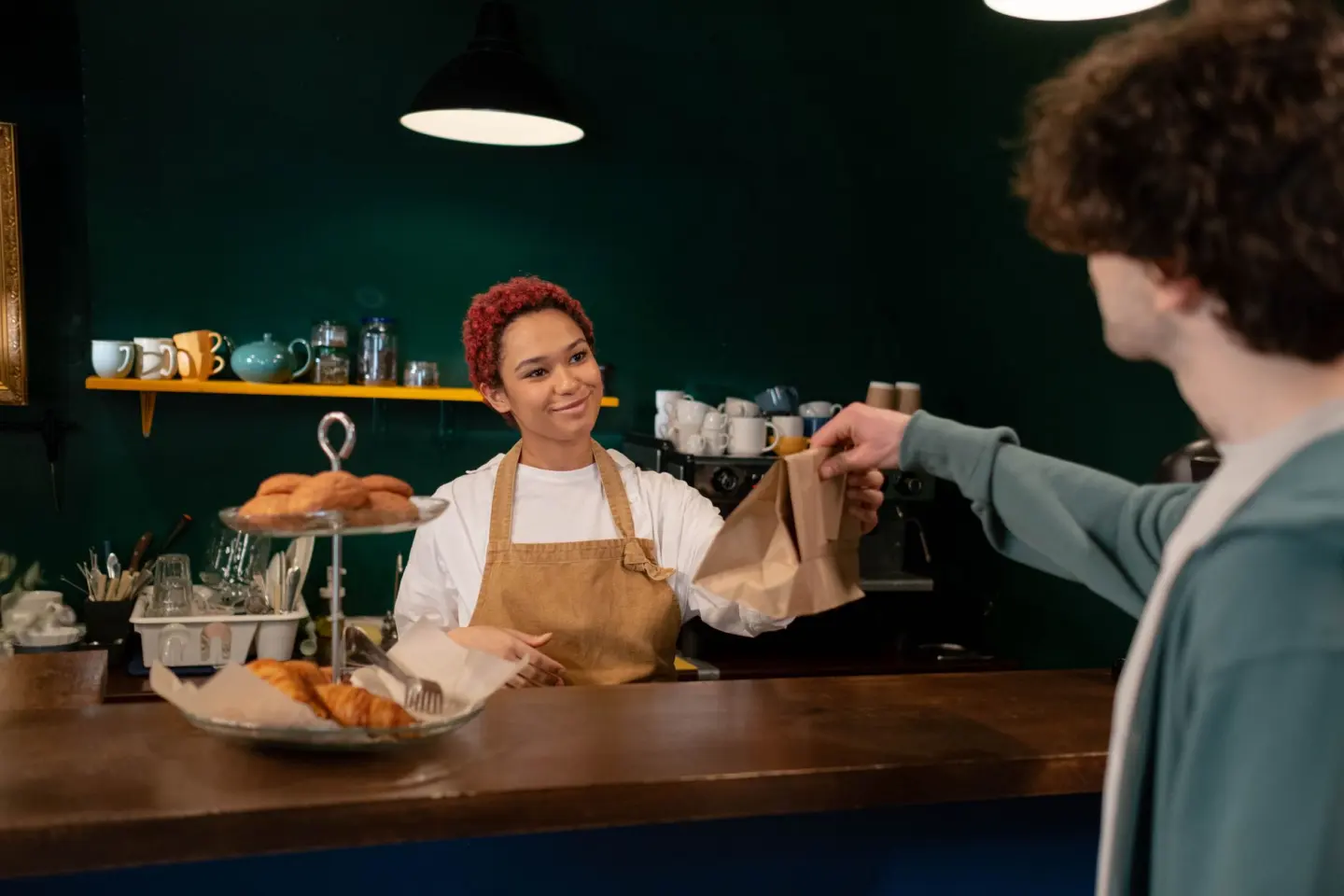

A Saturday queue does little for a café whose tables sit empty on Tuesday afternoon. A local creator campaign can give people a reason to come during that gap, provided the invitation, timing and measurement all point to the hours you want to fill. Start with one offer and a short test you can afford to learn from.
Start where you've got spare capacity. A café with empty tables after lunch has a different job to do from one already stretched at the counter; your brief should reflect that.
In short
- Choose a specific quiet period and a reason to visit during it.
- Book for local audience fit and a clear content idea.
- Compare arrivals and purchases with similar days before the campaign.
- Keep the cost of the offer, creator work and extra staffing in the budget.
Why do you need offline attribution for a weekday campaign?
At the end of the week, you need to know whether the people who watched came in. A popular video and a better Tuesday can happen together, but that alone won't tell you which creator deserves the next booking.
Offline attribution is difficult because the post and the visit happen in different places. Someone can watch on Monday, mention the café to a friend and come in on Thursday without ever opening your website. The social platform sees the video; the business sees the customer. Connecting those events to the right source is the hard part.
We've solved that attribution problem at Onlure. World Soccer Party counted 173 walk-ins from seven creators promoting its sports events. Simi African Foods counted 37 walk-ins from a campaign using two creators and flyers. Those are published campaign results you can read, rather than an assumption that every viewer became a customer.
Which hours are you trying to fill?
Look at several recent weeks of transactions by day and hour. Find a recurring gap where the team could serve more customers without another shift or a longer queue. Write the goal plainly: more Tuesday-to-Thursday lunch purchases, for example, rather than more awareness.
Record your starting point before anyone posts. Use comparable days, and note closures, weather, school breaks and nearby events. A rainy Tuesday and a sunny Saturday make a poor comparison. The purpose is to see whether the targeted period improved, while leaving room for explanations besides the campaign.
Choose one primary outcome. A shop might count purchases during its quiet afternoon window. A café might count transactions for a featured lunch. Keep total foot traffic alongside it, since someone can visit and leave without buying.
What makes the invitation worth accepting?
Start with a product or experience you can deliver reliably. A small tasting, a limited weekday lunch or a useful shopping appointment gives the creator something specific to show. A discount is optional. If you use one, write down the eligible items, dates and hours before filming.
Avoid an offer whose conditions take longer to explain than the food or product itself. Ask a staff member to repeat it back. If the team disagrees about when it applies, customers will too.
Check the direct costs. As an illustrative example, a C$16 lunch with C$7 in ingredients and packaging leaves C$9 before labour, rent, fees and other expenses. Reducing its price by C$4 leaves C$5 at that same stage. Those are sample figures, not typical café margins. Use your own costs before choosing the offer.
Which creator fits a weekday visit?
Look for someone whose recent content makes sense for the neighbourhood and the occasion. An account built around weekend destination trips may be less useful for a Tuesday lunch than one covering everyday places near local workplaces.
Ask about audience location and request a recent relevant example. Then read the comments: questions about prices, opening hours and nearby transit tell you what the content needs to answer. Audience evidence supports the choice, but it can't guarantee attendance.
Use the creator brief guide to agree on the visit, deliverables and posting dates. Keep creative room for the creator's own recommendation. Supply the facts that need to be correct, including the full price and the time restriction.
What needs to work before the post goes live?
Check the path from the video to the door. The location, weekday opening hours, menu and booking instructions should agree wherever a customer looks. Google's local ranking guidance recommends complete business information and accurate hours. A creator should not have to explain away a closed-looking listing.
If the post links to your website, use a campaign link you can recognise in your reports. Google Analytics explains how UTM parameters identify referred campaign traffic. That gives you a web signal; arrivals still need their own count.
Walk the team through the offer before opening. Say where its results will be recorded, who checks the count and what to do if an item sells out. A campaign that works better than expected still needs an honest answer for the next customer.
How do you review the two weeks?
Keep a daily record of the targeted hours: transactions, counted campaign visits, offer use and any additional costs. Where several creators are involved, retain a source for each rather than pooling every result into one total. Choose the measurement window in advance.
Read platform metrics alongside the store record. Google Business Profile performance reports actions such as direction requests and call-button clicks. Neither is proof of an arrival. A rise in those actions can explain interest without establishing sales.
At the end, compare similar weekday periods and ask whether the extra business justified the spend. Keep additional transactions separate from attributed walk-ins: a nearby event or longer opening hours may explain some of the change. If you're keeping your own records, check whether staff missed any counts before judging the creator.
Use cost per visit for a consistent calculation, and the rebooking guide for the next decision. If the invitation worked, repeat it with a controlled budget. If people watched but didn't arrive, revise the reason to visit before buying more exposure.
Frequently asked questions
Can a small café run a creator campaign without discounting everything?
Yes. Build the invitation around something worth visiting for during the quieter hours, such as a weekday tasting or a particular lunch. Set a clear time window, explain any conditions and check what each order contributes after its direct costs.
How long should a weekday creator campaign run?
Start with two weeks so you can review comparable weekdays before committing more money. Keep the offer consistent, then check walk-ins, purchases and staffing. That timing is a suggested test plan; it isn't an industry benchmark.
Do Google Maps direction requests count as store visits?
No. A direction request is an action on the Business Profile. Use it as a sign of interest, then measure arrivals or purchases separately before calling the campaign successful.