Ticketed events live or die on word of mouth, and in 2026 word of mouth has a camera. Two surveys say the same thing from two directions: young adults plan to go out more, and they decide where to go on the word of people they trust rather than ads. A local creator who attends your event is both of those things at once.
In short
- 79% of 18 to 35 year olds plan to attend more events in 2026, and 69% rely on personal networks and word of mouth to find them, according to Eventbrite's 2026 Social Study, a survey run in the United States and the United Kingdom.
- Canadian live music venues and festivals drew 19.69 million visitors in 2023, by the Canadian Live Music Association's count.
- One Toronto promoter booked seven creators on a C$1,000 budget and counted 173 walk-ins at the door. The World Soccer Party story has the numbers.
- Brief each creator for three moments: the announcement, the "I'm going", and the night itself.
Why word of mouth now has a camera
Eventbrite surveyed 4,051 people aged 18 to 35 in the United States and the United Kingdom between July 11 and 16, 2025, and published the results on January 14, 2026. There is no Canadian sample, so read the figures as a signal about the age group rather than about Toronto, where the same apps and the same habits apply.
The headline is appetite: 79% plan to attend more events in 2026. The second finding is how they choose. 69% rely on personal networks and word of mouth to find experiences, 52% prefer under-the-radar events, and 89% want events that connect them to their community. Nearly half, 49%, said they wish events felt less curated and more real.
That is a description of a creator's feed. A friend-of-a-friend who went last month, filmed it, and is going again is exactly the source these people say they trust. Closer to home, a Harris Poll for TouchBistro found 88% of Canadian diners at least occasionally rely on a restaurant's popularity on social media before deciding to go, and the same habit applies to a night out.
The Canadian market is big enough to matter. The Canadian Live Music Association's economic study, prepared by Nordicity and released on January 30, 2025, counted 19.69 million visitors to live music festivals and venue shows in 2023, $10.92 billion in GDP and 101,604 jobs across operations and tourism.
What does a creator sell that a poster can't?
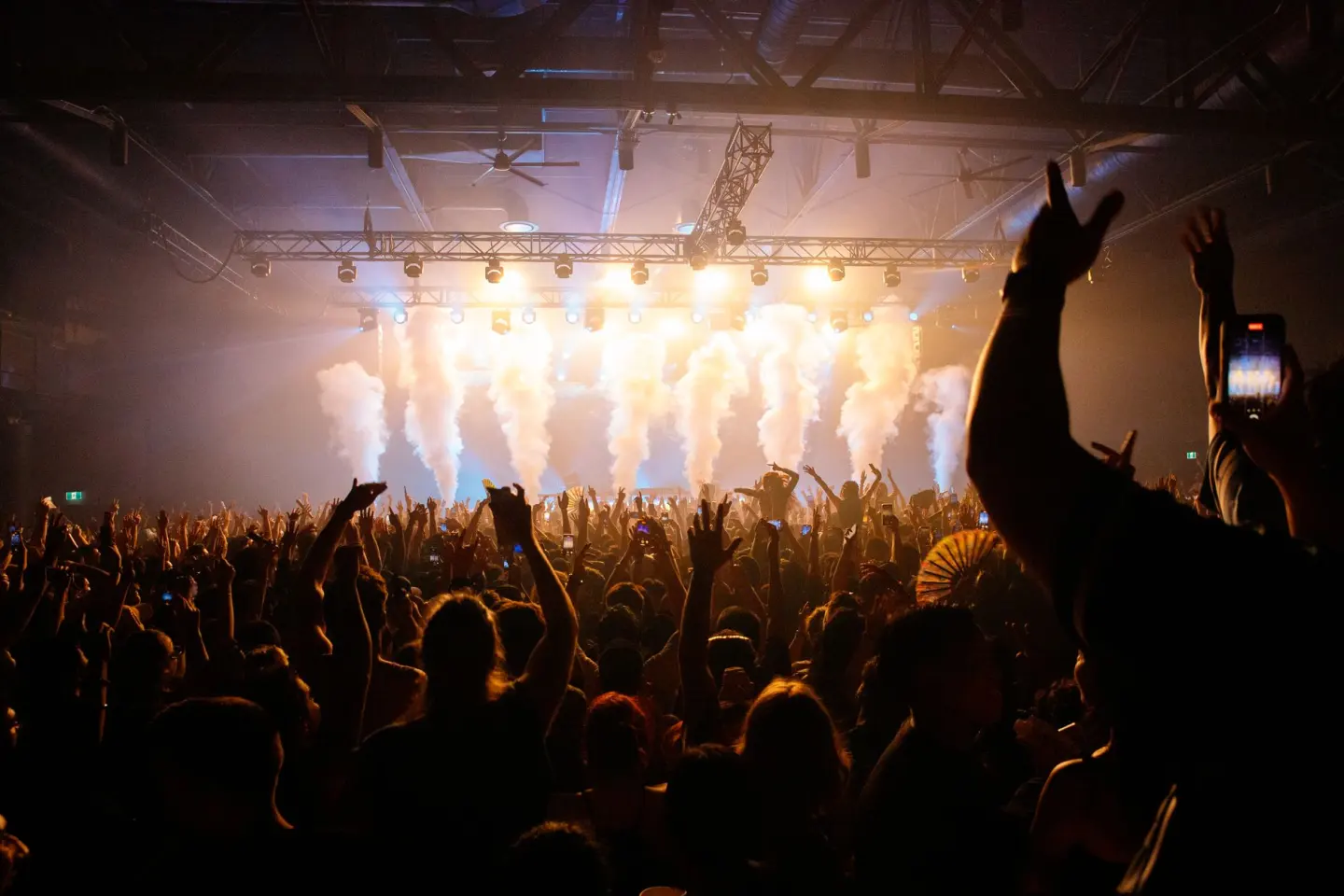
A poster says the event exists. A creator proves the room is worth being in. Their video of the queue, the first song and the crowd is evidence, and evidence travels in a way a flyer never did.
The Eventbrite study's "less curated and more real" finding is the brief in one line. A creator who is visibly a guest, filming the parts they enjoyed, outperforms a polished promo because followers can tell the difference. The shot list for event visits covers what to ask them to capture.
How do you brief a creator for an event?
Event campaigns fail when the creator posts once, the night before. Ask for three moments instead.
- The announcement, three weeks out. One post or story that says what it is, when, where and why they are going. Give them a ticket link that is theirs alone, so you can count what each creator sold.
- The "I'm going", one week out. A story in the creator's own voice. This is the post that moves friends, because it reads as a plan rather than a promotion.
- The night itself. A story from the venue while it is happening, and one reel afterwards. The live story sells tickets at the door; the reel sells the next event.
What to pay for: a flat fee for the three moments, a comped ticket, and a bonus for every ticket or walk-in their link brings. The bonus is what makes the creator post the second and third time. Keep the script short. Tell them the one fact that makes the event different, and let them say it their way.
What seven creators did for one Toronto promoter
World Soccer Party, which runs ticketed watch parties and a yacht party in Toronto, booked seven local creators on a C$1,000 budget. The creators sold the events to their own followers, passed 30,000 views, and the promoter counted 173 walk-ins, each one matched to the creator who sent it. The case study walks through the campaign.
On Onlure, an organizer books local creators for a campaign and sees the walk-ins each creator sends, so the next event's budget goes to the creators who filled the room. The brands page explains how a campaign is set up.
A checklist for your next event
- Book creators at least three weeks out, so the announcement post has time to work.
- Give every creator their own ticket link or code.
- Ask for the three moments, and put the dates in the brief.
- Comp the ticket, pay the fee, add a per-walk-in bonus.
- Pay within a week of the event, then rebook the two creators who sent the most people.
Frequently asked questions
How many creators does a Toronto event need?
Enough that their audiences do not overlap much. For a single-night event of a few hundred people, five to seven creators with different followings covered the room in the World Soccer Party campaign. More than that and the same followers see the event from everyone, which reads as advertising.
Should creators get free tickets or a fee?
Both. The ticket makes them a guest, which is what their followers respond to. The fee pays for three posts of work. A bonus per ticket or walk-in rewards the creators who actually sell, which the ticket alone never does.
When should creators post about an event?
Three weeks before (the announcement), one week before (the "I'm going") and on the night (the live story). A single post the day before is the most common mistake, and the one that leaves tickets unsold.