A first collaboration pitch works best when the owner can picture the job. Tell them why their place fits your audience, what you would make, when it would appear and what it costs. Give them enough evidence to say yes, ask a useful question or decline without a long exchange.
An owner reading your message between lunch orders needs to picture the visit and the finished post. Give them a relevant idea and a promise you can keep; a paragraph about your passion for content won't answer those questions.
In short
- Pitch one business with one idea drawn from its actual offer.
- Show a relevant sample and dated audience evidence.
- State the deliverable, timing and fee in plain language.
- Agree on reporting, disclosure and how the business may use the content.
Which business should you approach first?
Start with places you understand well enough to recommend accurately. Check their current hours, menu or services. Watch what they already post, and notice a question their customers keep asking. That question can become the idea for your video.
A bakery with a weekday lunch might need a short visit showing what comes in the lunch and how to order it. A shop offering appointments might need a walkthrough of the experience. Either gives the owner a concrete reason to consider the pitch.
Choose an idea suited to your audience's interests and location. If most viewers live elsewhere, say so. You can still offer useful content, but explain that as the service instead of implying you have a large neighbourhood audience.
What evidence should you include?
Send one or two samples that resemble the proposed work. A carefully filmed visit to a place you already know can show your storytelling and editing, even when it wasn't a paid collaboration. Label it accurately so the owner doesn't mistake a personal post for a client result.
Add a recent audience screenshot where the platform provides it, with the date range visible. YouTube's audience guidance describes its geography report as a breakdown of watch time and notes that some data may be limited. Don't turn a country-level breakdown into a claim about a particular neighbourhood.
A sample shows how you film and tell a story, while audience data helps the owner judge who might see it. Keep any past customer results beside those details, with the business's permission. The portfolio guide covers how to organise the evidence in a page you can share.
What does a useful first message look like?
Here is an illustrative pitch. The business, scope, price and timing are examples, not an Onlure rate or a promised result.
“Hi Maya, I make videos about everyday food stops around the neighbourhood. Your weekday soup-and-sandwich lunch would fit my next local lunch feature. I'd visit next week, film one vertical video and publish it on my Instagram account the following Tuesday, with your address, lunch hours and the agreed disclosure. My proposed fee is C$180 for the visit, edit and post. Here's a relevant sample and my recent audience breakdown. Would you like me to send the short brief?”
Replace every detail with something true. If you haven't tried the food, propose a visit without writing a recommendation first. If the owner needs the content sooner, confirm you can deliver before accepting.
The message is short because it answers the owner's first questions. Save the full shot list and revision process for the brief. Don't bury the fee behind a request for a meeting unless the scope really needs discussion.
What should you agree before filming?
Put the scope in writing: the account that will publish, the format, the posting window, the approval process and payment timing. Clarify whether the business may repost the finished video, use it in paid advertising or request the original files. Different uses deserve an explicit agreement.
Separate factual review from the creator's opinion. An owner can check the price and address; your recommendation should reflect your experience. Competition Bureau guidance calls for clear disclosure of material connections, including payment and free products or services. Plan that disclosure with the post.
Also agree on practical details: the visit time, who can appear on camera and which areas are available to film. If the business asks for customer close-ups, settle permission before recording. A quiet conversation beforehand is easier than removing half the footage during editing.
How do you discuss results without overpromising?
Local businesses often struggle to connect a post to a walk-in. Your viewer might save the video and visit days later, with no website click for the owner to count. Offline attribution is a difficult problem, and leaving it unanswered makes it harder for you to show the value of your work.
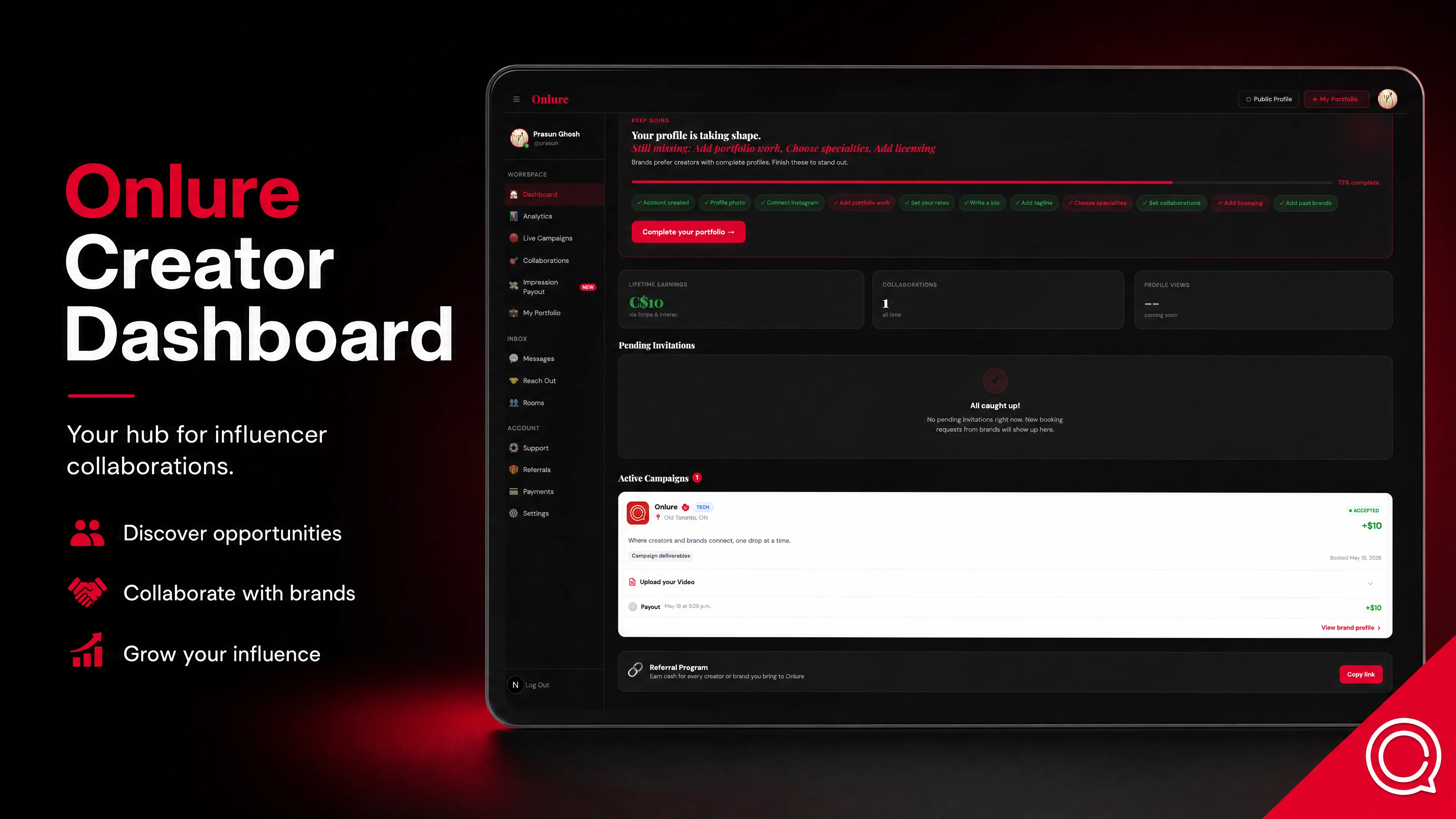
Onlure has solved that connection for local campaigns. World Soccer Party counted 173 walk-ins from seven creators, while Simi African Foods counted 37 from two creators and flyers. You can point a prospective partner to both stories when explaining why you want results counted. Keep any claim about your own work tied to your own campaign evidence.
Offer to report the numbers available to you for the agreed date range. Name them accurately, and include useful customer questions from the comments. If the business wants visits counted, agree on its measurement method before posting.
Google Business Profile performance distinguishes actions such as calls and direction requests. Those signals belong to the business's profile and don't identify the customers your post sent. Ask for a campaign-specific count if that is the goal.
The creator attribution guide explains how to have that conversation. Your deliverable is the work you control. A target for arrivals can help plan the campaign, but avoid presenting it as a guarantee.
After sending the pitch, give the owner time to respond. A café owner covering a shift may take a few business days to read it. Send one concise follow-up, then leave the decision with them. If they accept, confirm the scope and posting date in writing before you visit.
Frequently asked questions
What should a first creator pitch include?
Name the business, explain why your audience fits, suggest one specific content idea and state the deliverable, timing and fee. Include a relevant sample and a small amount of dated audience evidence so the owner can assess the proposal quickly.
Should a new creator promise a certain number of customers?
Promise the work you control: your visit, content, posting date and reporting. Agree on how results will be counted before discussing performance pay. Onlure's offline attribution helps a business see the walk-ins you send, but you can't guarantee who will come.
Does a free meal need disclosure in a sponsored post?
A free meal provided in connection with a promotion is a benefit that should be disclosed. Canadian Competition Bureau guidance covers material connections including payments, free products and services. Make the relationship clear in the post.