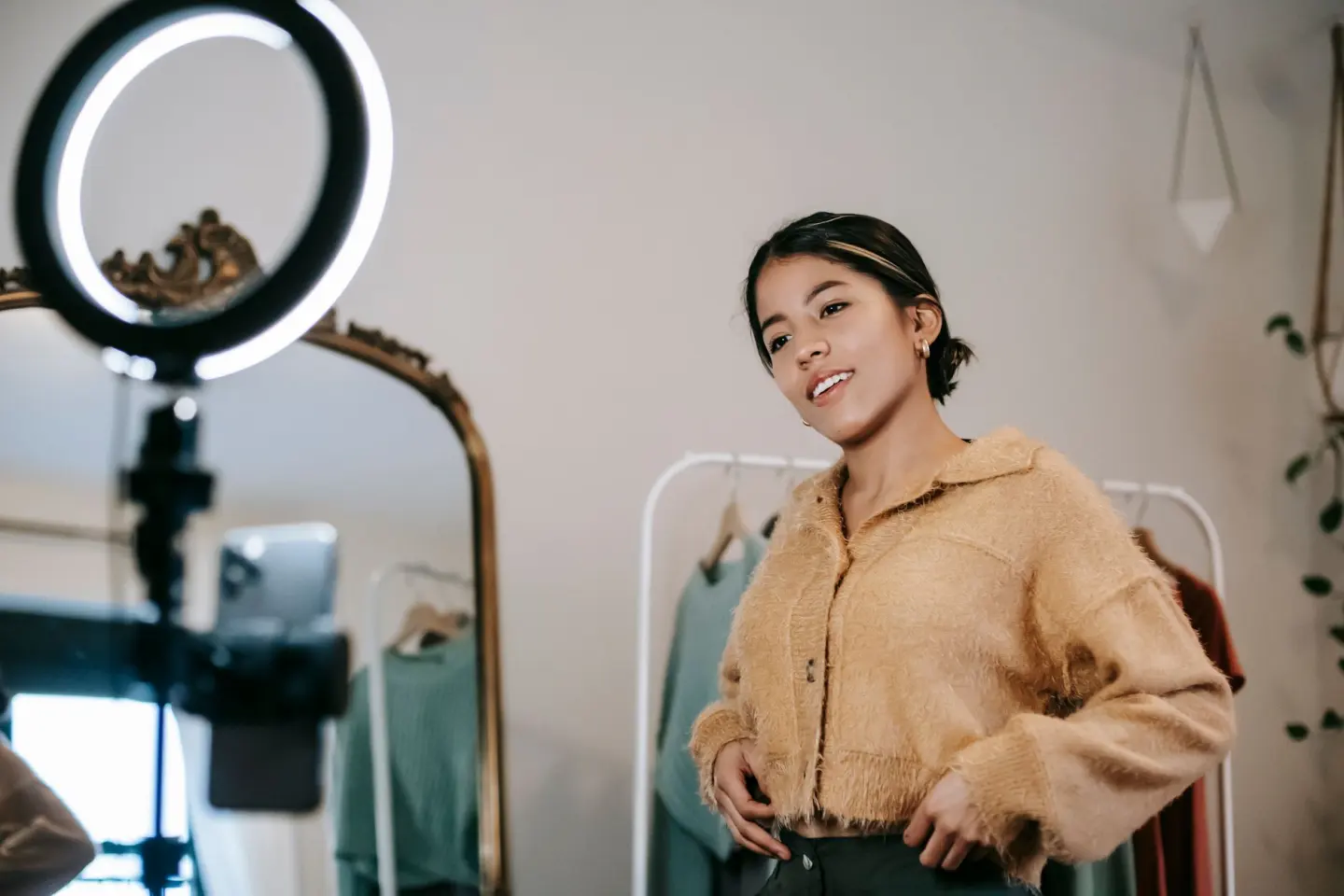
Views get you noticed. Visits get you rebooked. A local business cannot see which creator sent the customers at its counter unless the creator helps set up the count, and the creators who do are the ones a café books again in November, February and June. This is how to do it.
In short
- Ask for a source that is yours alone: a code, an offer or a link only your followers have.
- Film for the visit: the price, the door and the neighbourhood, inside the first three seconds Instagram says a reel has to earn.
- Send the numbers within 48 hours, and ask the business for its count of your code.
- Disclose cleanly; Ad Standards' Fall 2025 guidelines treat a buried hashtag as hidden.
Why views do not get you rebooked
A business owner reading your 40,000 views has no way to connect them to Saturday's line. Google Ads only models store visits for large accounts, and Meta retired its store traffic objective, so the owner's own tools do not show visits by creator either. Left with views alone, owners rebook on instinct, and instinct favours the creator with the biggest number, not the one who filled the room.
The audience is there to be moved. 88% of Canadian diners at least occasionally weigh a restaurant's social media popularity before going, per a Harris Poll for TouchBistro, and 79% of Canadians who follow creators prefer personal content to brand partnerships, per Leger. What is missing is the receipt.
Step 1: ask for your own source
Before you film, ask the business for one thing only your followers get: a code to say at the counter, an offer tied to your name, or a link that is yours. If the business is running several creators, make sure each has their own; one shared code proves the campaign and loses you. This is the first of the three conditions in the offline attribution guide: a visit has to name its source.
Step 2: make the post do the attribution work
A visit post has to answer three questions a viewer asks before they go: what does it cost, where is the door, and what do I say when I get there. The shot list builds those in: the price board, the walk-in from the street, the leaving line with the neighbourhood and your code. Instagram's own guidance says the first three seconds decide whether a viewer stays and that reels over three minutes are not recommended to new audiences, so put the hero shot first and the code in the caption's first line, not the last.
Step 3: send the numbers
Two days after posting, message the business with four lines: views, saves, the two things people asked in the comments, and a request for their count of your code or offer so far. Reply to comments through the first week; Instagram says early engagement helps reach. A week later, send the final count alongside theirs. Most creators never send the first message, which is why the ones who do get the next booking.
A report that gets you rebooked reads like this: "1,800 views, 140 saves, 12 people asked about the hours. Your count of my code was 23 visits by Sunday. Want to run it again for the holiday menu?" The gifted or paid guide covers how to turn a gifted visit into that paid rebook.
Step 4: disclose where people can see it
Ad Standards' guidelines count a free product "with or without any conditions attached" as a material connection. #ad on its own is the gold standard for paid work; #Gifted applies when you received something and were not required to post. Put it at the start of the caption. A disclosure buried in a hashtag list is, in the guidelines' words, hidden, and a business that gets a complaint does not rebook the creator who caused it.
What can a business count on its side?
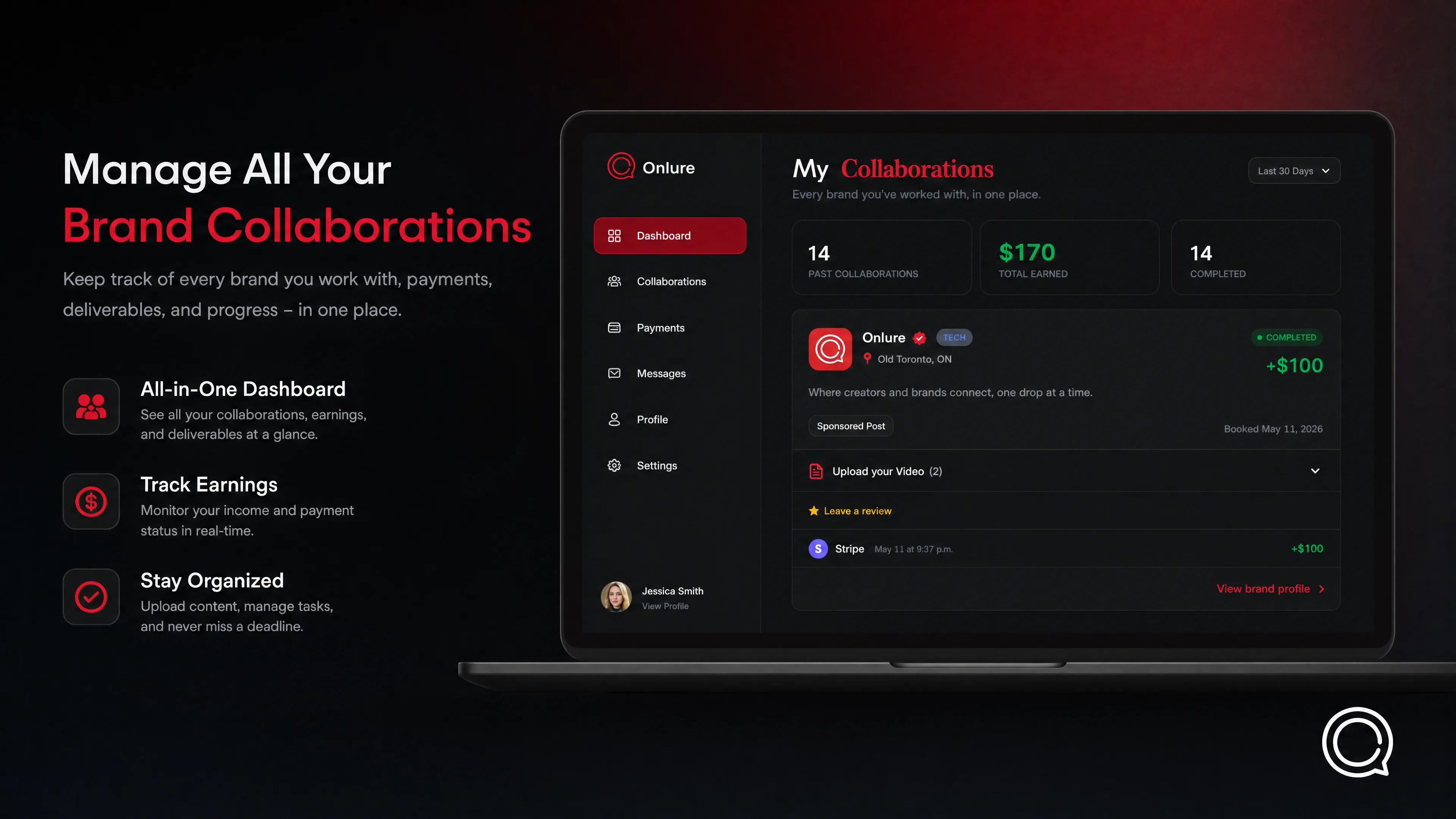
The business can count your code at the counter, run a card-linked offer, or record visits on site; the seven methods compared sets them out. On Onlure, local businesses book local creators for a campaign and see the walk-ins each creator sends, with your name on the count. The creators page explains how to list.
Frequently asked questions
How do I show a brand that my content drove store visits?
Ask for a source only your followers have, such as your own code or offer, put it in the first line of the caption, and ask the business for its count of that code within 48 hours and again after a week. Send your views and saves alongside their count.
Should I ask for a unique discount code?
Yes, or an offer tied to your name. If the business runs several creators with one shared code, the campaign gets the credit and no creator does, which means no one gets rebooked on evidence.
What numbers should I send a brand after posting?
Views, saves, what people asked in the comments, and the business's own count of your code. Views are your number; the count of visits is theirs, and that is the one that decides the next booking.