
One number tells you everything about how influencer marketing changed in 2026: the average influencer CPM hit $2.68 in 2025, a 42% year-over-year decrease (Aspire). When the price of attention drops that fast, the whole market rearranges itself around the new math.
What a falling CPM actually signals
A collapsing CPM says nothing bad about the value of influence. It says raw reach is worth less. There's an oversupply of impressions, so brands quit paying premiums for them and start paying for outcomes.
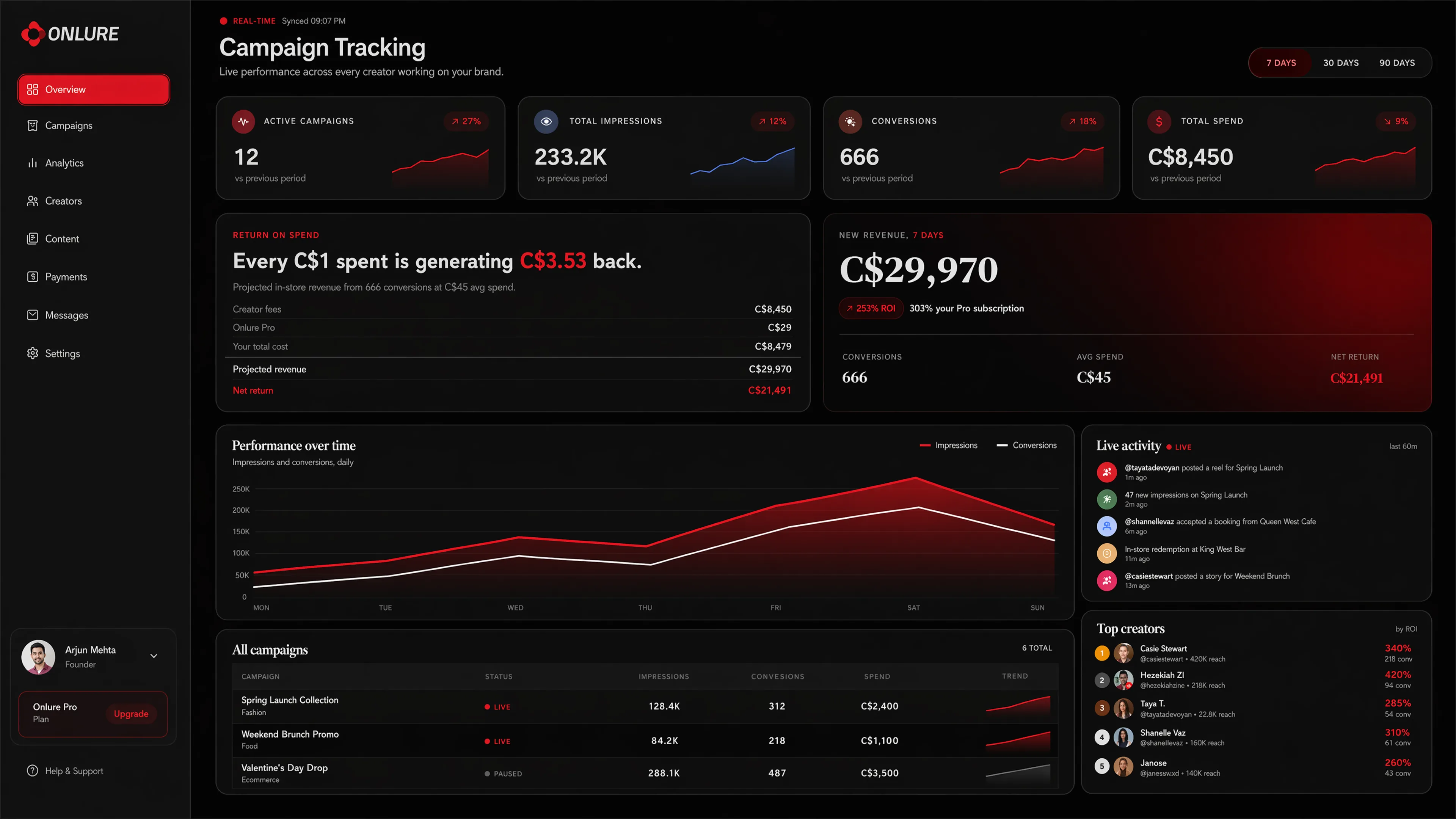
You can see it in how brands cut checks now. Performance-based pay is the single most common model, at 53% (Influencer Marketing Hub 2026). Impressions got cheap. Results got expensive.
The down-market shift, by the numbers
- Nano and micro creators will take 45.5% of influencer marketing spending in 2026 (eMarketer).
- Nano creators make up roughly 75.9% of Instagram's influencer base, averaging around 2.7% engagement, which beats every larger tier.
- Creators are still only about 2% of total ad spend (IAB, cited via Devotion's 2026 launch), even though organic reach per post has cratered from ~20% to ~2%.
Stack those up and the picture is clear. A huge supply of small, high-trust creators. Brands moving budget toward them. And a pricing model that pays for conversions, not for eyeballs.
“When impressions are free, trust is the only thing left to pay for.”
What it means for everyone
- Brands should stop buying reach and start buying measurable results from local creators.
- Creators should hold a flat-fee floor and add a performance layer on top. Don't let cheap CPMs drag your base rate down with them.
The takeaway
Call the $2.68 CPM what it is: a repricing, not a crisis. Reach got commoditized. Trust didn't. The market is finally paying for the gap between them.